


Canned Razor Clams | Hand-dug, one by one


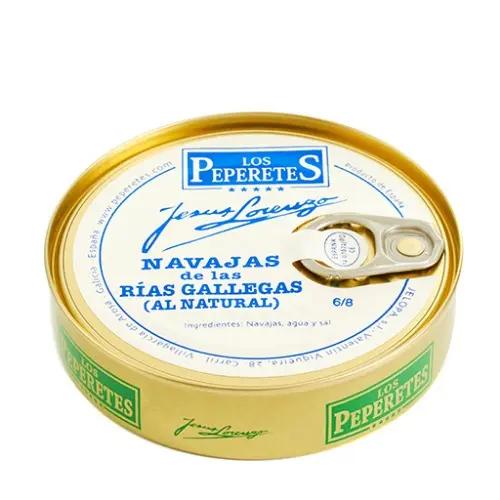

Razor Clams in Brine 6/8 pcs | Los Peperetes
Choose your option


Razor Clams in Brine from the Galician Rías 8/10 pcs | Rosa Lafuente
Choose your option
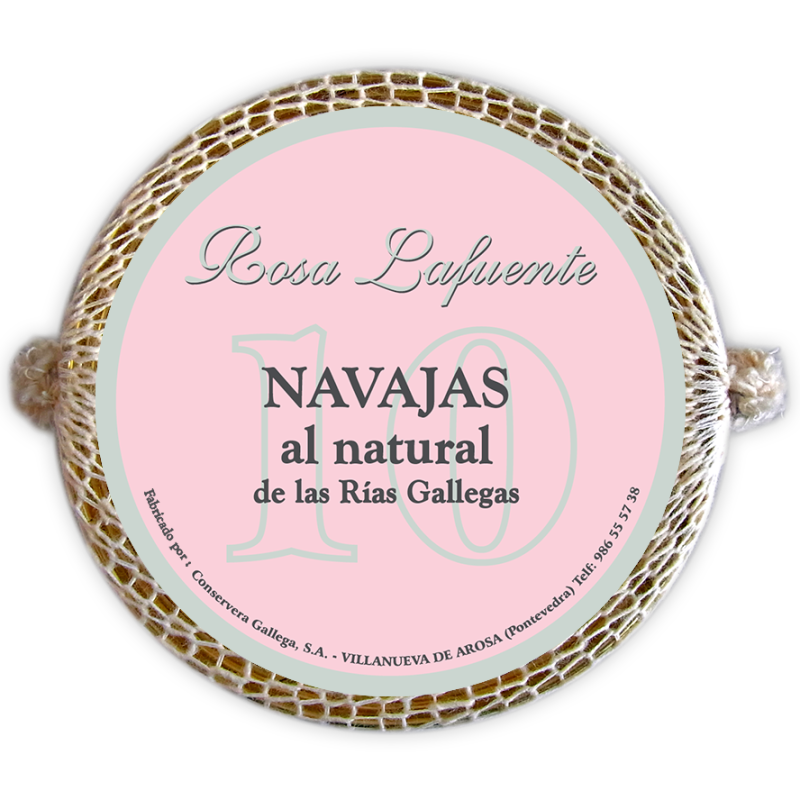

Razor Clams in Brine 6 pcs | Rosa Lafuente
Choose your option


Razor Clams with Garlic | Los Peperetes
Choose your option


Razor Clams in Brine 6/8 pcs | La Brújula
Choose your option

Razor Clams in Brine 6/8 pcs Línea Plata | Ramón Peña
Choose your option

Razor Clams in Brine Selección 1920 | Real Conservera Española
Choose your option

Razor Clams in Brine 4/6 pcs | Conservas de Cambados
Choose your option


Razor Clams in Brine 6/8 pcs | FerroMar
Choose your option

Razor Clams in Brine 6/8 pcs | Ramón Peña
Choose your option

Smoked Razor Clams in Olive Oil | Mar de Tazones
Choose your option


Razor Clams in Brine 7/10 pcs | Real Conservera Española
Choose your option
Razor Clams in Brine 8/10 Pieces | Ramón Peña
Choose your option
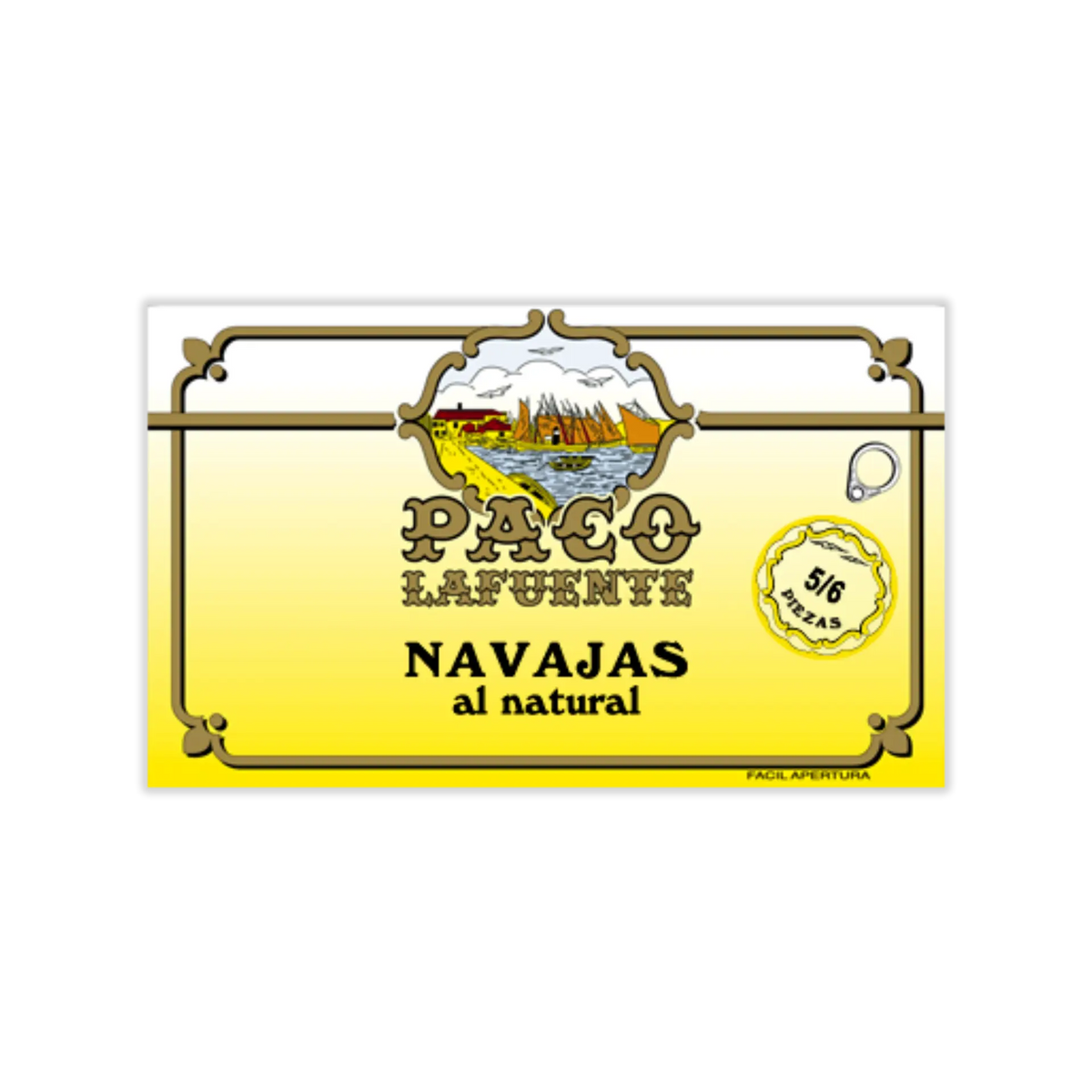

Razor Clams in Brine 8/10 pcs | Paco Lafuente
Choose your option
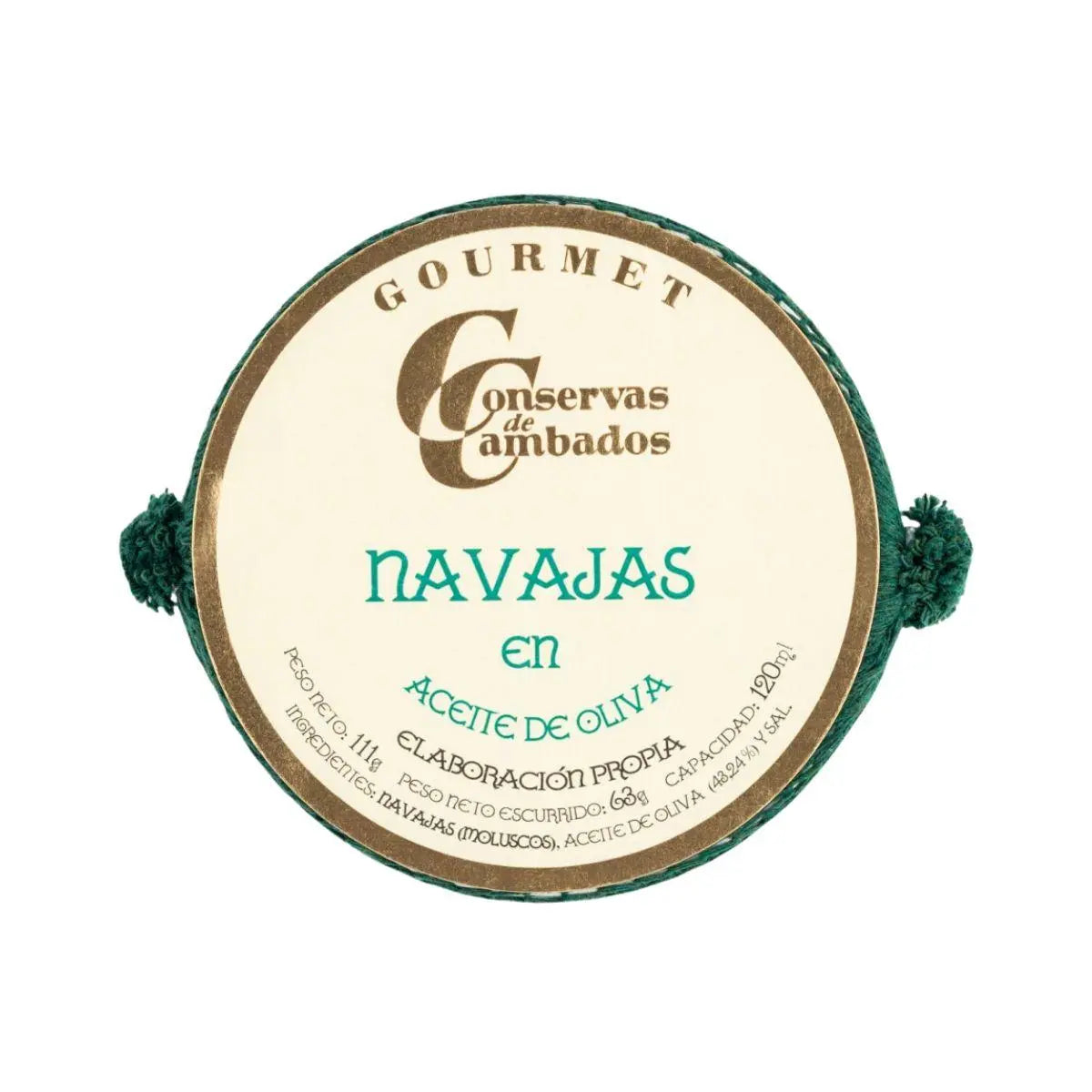
Razor Clams in Olive Oil 8/12 pcs | Conservas de Cambados
Choose your option
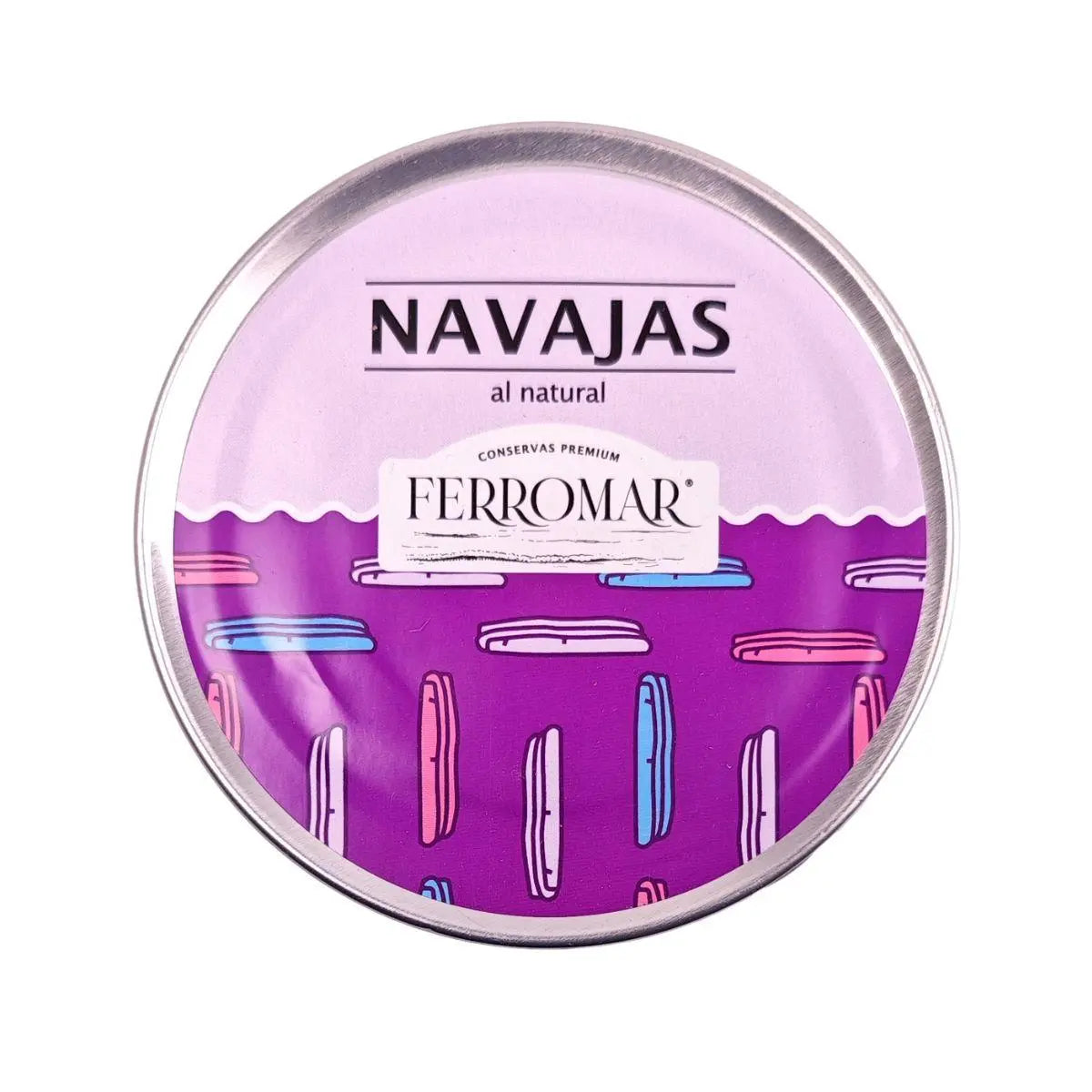
Razor Clams in Brine 6/8 pcs | FerroMar
Choose your option


Razor clams from the Cíes Islands in olive oil
Choose your option
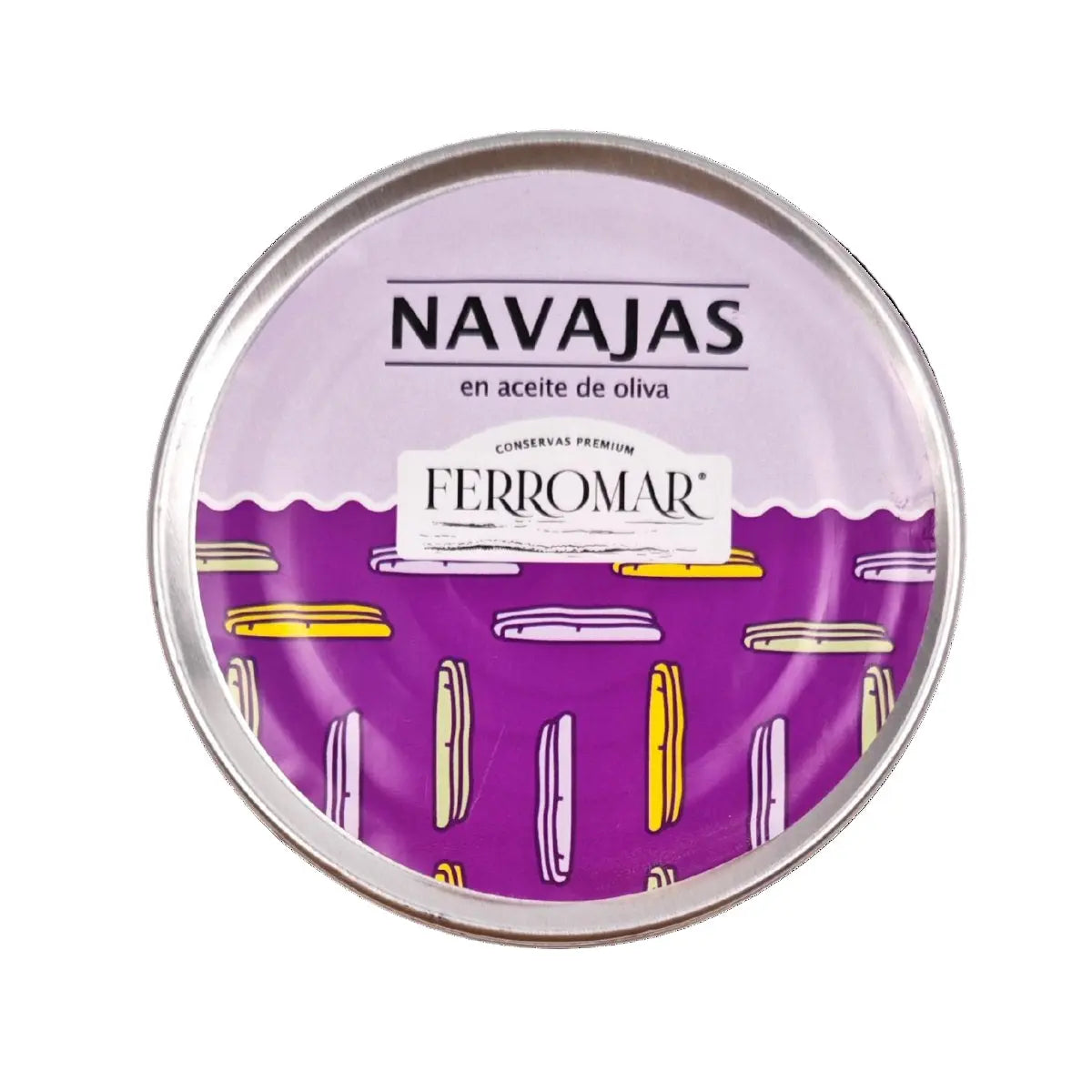
Razor Clams in Olive Oil 6/8 pcs | FerroMar
Choose your option

Razor Clams with Garlic and Chili | FerroMar
Choose your option

Razor Clams with Galician Rías Dressing Limited Edition | Escurís Premium
Choose your option
Canned Razor Clams | Hand-dug, one by one
The shellfish you have to pull from the seabed, in our collection of canned razor clams
The razor clam is not farmed. There is no raft or hatchery for it: you have to go and find it in the sandbank, one by one. That makes it one of the hardest shellfish to obtain and explains why a tin costs what it does. In this selection we have gathered razor clams from the Galician Rías, natural, in olive oil or seasoned, from nine artisan canneries.
How a razor clam is caught
The shellfish gatherer spots it by the small hole it leaves in the sand at low tide and pulls it out by hand, on foot along the beach or diving. At the first touch the razor clam buries itself in seconds, so you have to be quick and precise to extract it whole without breaking its very thin shell. It is work for divers and patience, not machinery.
Razor clam and grooved razor are not the same
They are often confused. The razor clam (Ensis arcuatus) is the large one, elongated and with a curved shell, and it is the one you will find in this collection. The grooved razor (Solen marginatus), known in Spain as navajuela, is smaller, straighter and has somewhat tougher flesh. If the label says true navaja, you have the larger piece.
Choose your tin
- Natural, the classic: just razor clam, water and salt. It is the version that hides nothing and lets you appreciate the flesh. FerroMar, Cambados and Paco Lafuente in the accessible range; Los Peperetes, Ramón Peña and Real Conservera at the top.
- Large size: 4/6 and 6/8 pieces contain sizeable specimens, eaten one at a time. 8/10 and 8/12 are easier to handle and go further on the table.
- In olive oil: Cambados, FerroMar and those from the Cíes Islands. The oil rounds off the iodine flavour and makes them a little less briny.
- Seasoned: with garlic from Los Peperetes, with garlic and chilli from FerroMar, spicy from Cambados, smoked from La Mar de Tazones or the limited edition with dressing from Escurís Premium.
Before serving
Room temperature, never straight from the fridge. Tip the tin onto a long plate with all its liquor and add, if anything, a few drops of lemon. The razor clam has a powerful, iodine flavour that needs no accompaniment: any sauce would mask it.
If you are looking for the other great shellfish of the rías, we also have our collections of canned clams and canned cockles.
Add your favourite tins to the basket and receive them in 24-48 hours.